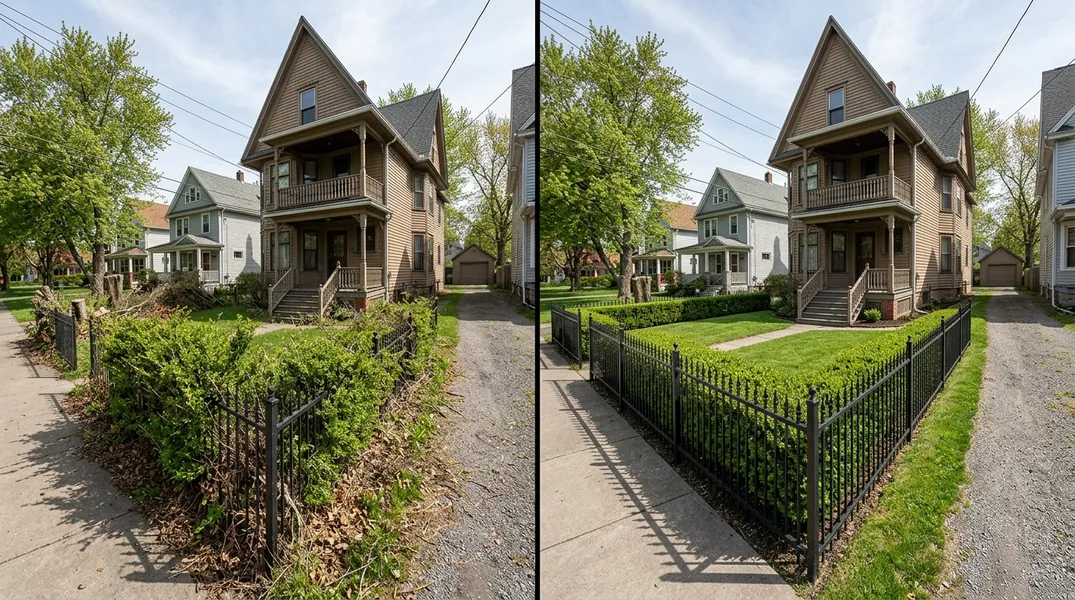
Understanding Lake-Effect Snow and Its Impact on Buffalo Trees
Buffalo experiences some of the most intense winter weather in the United States, and lake-effect snow is the primary culprit behind seasonal tree damage. When cold arctic air passes over the warmer waters of Lake Erie and Lake Ontario, it picks up moisture and dumps it as heavy, wet snow across the region. This isn't the light, fluffy snow you might find inland. Lake-effect snow is dense, accumulates rapidly, and clings to tree branches with tremendous weight.
Trees in Buffalo and surrounding areas are particularly vulnerable because they often haven't fully hardened off by the time the first major lake-effect storms arrive in November and December. The combination of heavy snow load and branches still holding foliage or water creates a perfect storm for limb failure. A single storm can deposit 12 to 24 inches of snow in just a few hours, and when that snow sticks to branches, the structural stress becomes enormous. Without proper preparation, your trees can suffer significant damage that compromises their health for years to come.
Why Winter Tree Pruning Is Your Best Defense
The most effective way to protect your trees from lake-effect snow damage is to have them professionally pruned before winter arrives. Tree Trimming & Pruning removes dead, diseased, and weak branches that are most likely to fail under snow load. It also reduces the overall crown density, allowing snow to fall through the canopy rather than accumulating on every branch. A well-pruned tree presents less surface area for snow to cling to, dramatically reducing the stress placed on the remaining limbs.
Strategic pruning also improves the tree's structure and branch angles. Branches that grow at weak angles (those that form narrow crotches with the trunk) are far more prone to splitting and breaking. An experienced arborist can identify these structural weaknesses and remove or reduce them before winter. By thinning the canopy and removing competing leaders, you create a stronger framework that can withstand the weight and wind that accompany heavy snow events. The best time to schedule this work is late September through October, giving your trees time to heal before the first major storms arrive.
Identifying Trees at Highest Risk in Your Buffalo Yard
Not all trees are equally susceptible to lake-effect snow damage. Species like Bradford pears, willows, and multi-stemmed trees tend to struggle because they have weak branch attachments or naturally heavy, dense foliage. Evergreens like blue spruces and pines catch more snow than deciduous trees and can suffer severe damage if they're overgrown or poorly structured. If you have any of these species on your property, they should be at the top of your winter preparation list.
Age and health also matter significantly. Mature trees with established branch structure usually handle snow better than young trees still developing their form. However, older trees with decay, cavities, or previous storm damage are at much higher risk. Trees stressed by drought, pests, or poor soil conditions are weaker and more likely to fail under heavy snow load. Take a walk around your Buffalo property in early fall and look for signs of trouble: dead branches, crossing branches, multiple trunks with narrow angles, or branches that already show signs of splitting. These are the trees that need attention before the snow flies.
Storm Damage Tree Removal Near Me: When to Call a Professional
Despite your best efforts, sometimes trees do fail during winter storms. If a large branch breaks or a tree is partially uprooted, you need Emergency Tree Service from experienced professionals. Attempting to remove large fallen branches or a leaning tree yourself is dangerous and often results in injury or property damage. Buffalo Tree Service responds quickly to storm damage calls because we understand the urgency of the situation.
If a tree is completely down or severely damaged beyond recovery, Tree Removal may be necessary. Our team has the equipment and expertise to safely fell hazardous trees, remove large sections, and clear debris from your yard and roof. We also offer Stump Grinding services to remove what's left behind, giving you a clean slate for replanting or landscaping. Don't wait until spring to deal with storm damage. Call us at (716) 710-8792 for immediate assistance.
Preventive Maintenance Steps You Can Take Now
Beyond professional pruning, several maintenance steps can reduce the risk of winter damage. Remove any dead branches you can safely access, as these are the first to fail under stress. Clear away vines and heavy ivy that add extra weight to branches. If you have trees near your house, roof, or driveway, be especially vigilant about removing branches that overhang these structures. A falling branch during a storm can cause serious injury or costly damage.
Ensure your trees are healthy and well-watered going into winter. Trees that are adequately hydrated are more flexible and resilient than drought-stressed specimens. Avoid heavy pruning or fertilizing late in the season, as this stimulates new growth that won't harden off before winter. Mulch around the base of young or newly planted trees to insulate roots and reduce transplant stress. If you're uncertain about which trees need attention or how to approach preventive care, contact Buffalo Tree Service for a free estimate. Our arborists will assess your property and recommend the best strategy for protecting your trees.
Getting Started: Schedule Your Fall Tree Assessment Today
The window for fall tree pruning closes quickly in Buffalo. By mid-October, many professional arborists are booked solid with homeowners preparing for winter. If you want your trees professionally evaluated and pruned before the lake-effect snow season begins, now is the time to reach out. A comprehensive assessment takes into account your specific trees, your property layout, and the unique challenges of your neighborhood.
Buffalo Tree Service has been helping homeowners protect their trees for years. We understand the local climate, the species that thrive here, and the specific storm patterns that threaten our region's landscapes. Whether you need a single tree evaluated or a complete property assessment, our experienced arborists are ready to help. Call us today at (716) 710-8792 or visit our website to request a free estimate. Investing a few hundred dollars in preventive pruning now can save you thousands in emergency removal and damage repair later.
Looking for a professional tree service contractor in Buffalo? Buffalo Tree Service responds fast for all your tree service needs.
Get a Free QuoteOur services: Tree Removal · Tree Trimming & Pruning · Stump Grinding